Pitru Tharpan: The Gift of Life and the Gratitude We Owe
Stand before a mirror for a moment. Please look at your face without thinking about whether you look young or old, handsome or beautiful. We think about our face most of the time. Look instead for the people who came before you. Perhaps your grandfather had those beautiful eyes. Perhaps your grandmother’s golden smile returns whenever you smile. You may resemble your father in one way and your mother in another. Some features may remind your family of an ancestor whose photograph you have never seen.
The mirror shows one person. Yet that person carries an inheritance from generations and only God knows from when. The earth they say is 4.5 billion years old but we do not know when human beings happened on earth.
Before you earned your first rupee, received your first certificate or achieved your first success, you had already received something priceless: a human body and the opportunity to live through it. You received a home for your soul, your spirit or what you call "I", or "I am". Just imagine the "I" without this human body.
Pitru Tharpan begins, for me, with recognising this gift.
We speak so often about what we have accomplished. We say, “I built this,” “I earned this,” or “I achieved this.” Certainly, our efforts matter. But pause and ask: with what did we make those efforts? Who gave us the body, the nourishment and the early care that made effort possible? When we were a just born baby what if our parents decided to discard us?! Even if we were discarded by our parents, we should be thankful for the opportunity given. We now possess the best gift in this world. The gift of the super intelligent human body.
Our life did not begin with our achievements. It began with what we received.
Think of your earliest beginning. You began as a single cell in your mother’s womb. You could not ask for nourishment, arrange your protection or direct your own development. Nourishment reached you through your mother’s body. Gradually, eyes formed, lungs developed and a heart began to beat. A heart that was designed to pump blood close to a 100 years without maintenance or oiling. Even today, your heart works while you sleep. You do not wake each morning and instruct it to begin. We admire the engines we manufacture, yet we often overlook the extraordinary workings of the body in which we live.
Before you knew that you were alive, life was already sustaining you. Through our parents, and through the generations before them, we received this opportunity to see, hear, think, love, learn and act.
Then we were born as a helpless child. We don't even have a name. Someone fed us, cleaned us, carried us and watched over us. Someone interrupted their sleep because we could not yet take care of ourselves. Long before we could pronounce the words “thank you,” we depended on care we could neither provide nor repay.
During one horoscope consultation, a client said to me, “Taking care of me was my parents’ duty. They were doing their job. Why should I be grateful?”
That question stayed with me.
Does fulfilling a duty make an act unworthy of gratitude? A teacher has a duty to teach. Does that prevent us from being grateful for the knowledge received? Parents have a responsibility to care for their children. Does that make their care meaningless?
Duty explains the responsibility. Gratitude acknowledges what we received through its fulfilment.
We need not pretend that every parent or ancestor was perfect. Some family histories contain pain, neglect and difficult relationships. Gratitude can acknowledge the gift of life while recognising those difficulties. We can preserve what was good, learn from what was painful and take responsibility for what we pass forward.
This is where Pitru Tharpan becomes deeply meaningful.
When I sit down to perform it, I offer water with sesame seeds, rice balls and prayers according to the tradition I follow. The offering is simple, but the remembrance reaches far beyond the few people I personally knew. I always feel that the ritual (Hindu) is not as important as expressing our gratitude. The ritual trains us to focus on the pitrus.
I remember those through whom this life reached me.
My father had parents. My mother had parents. Each of them belonged to an earlier generation, and each earlier generation received life through another. Behind the names I know stand countless people whose names have disappeared from our family’s memory.
Their names may be forgotten. Their place in our history remains.
Even the New Testament records the ancestry of Jesus Christ. A genealogy places an individual life within a much longer human story. Our ancestors are our own history, and studying that history can help us understand the circumstances, choices and struggles through which we came to be.
Biologically, we carry genetic inheritance from generations before us. Beyond that, we inherit the consequences of their decisions, their learning, their work and their care. Their efforts reach us through the lives and opportunities they helped make possible.
Life is a continuing story. Each generation enters, plays its part and passes something forward. We are living our chapter now. Another generation will follow.
Some people ask me, “If rebirth is true, would our ancestors not have already taken another birth? Why should we perform Pitru Tharpan for them?”
My answer is that we cannot assume that every departed ancestor has already been reborn. Within the spiritual understanding I follow, some may return quickly, while others may await a suitable opportunity. We do not know the present condition of every departed soul.
Sri Krishna describes two paths after death in the Bhagavad Gita, verses 8.24–26. The bright path leads the knowers of Brahman to Brahman and non-return. The other leads to the lunar realm, from which there is a subsequent return. These verses distinguish between return and non-return; they do not establish that every ancestor has already taken another birth.
But consider the question more deeply. Even if an ancestor has been reborn, does our gratitude come to an end?
If someone gives you a precious gift and later moves to another town, does the gift lose its value? Does your reason for thanking them disappear because their address has changed?
Our responsibility to remember what we received does not depend entirely on knowing where the giver is now.
When I perform Pitru Tharpan, I acknowledge a relationship and an inheritance. I am saying, “Whatever your present journey may be, I remember the life that reached me through you.”
In the spiritual understanding of rebirth, human birth is a precious opportunity. The journey through other forms of life has brought us to a condition in which we can reflect on our conduct, make conscious choices, practise gratitude and pursue liberation.
We thank someone who gives us a small present. What, then, of the opportunity to live in a human body?
Gratitude is itself a form of prayer.
We honour our teachers for knowledge, our parents for life and care, and God for the blessings through which our existence is sustained. Prayer becomes more heartfelt when we remember to say “thank you” alongside “please help me.”
I believe that a prayer filled with gratitude bears fruit more readily because it begins by acknowledging what has already been given. Such gratitude also changes the person who prays. We become more attentive to blessings that familiarity has made easy to overlook.
Pitru Tharpan gives this acknowledgement a regular place in our lives.
Amavasya is traditionally set aside for ancestral offerings. Manusmriti 3.122 prescribes monthly ancestral rites at Chandrakshaya, which Medhatithi’s commentary identifies as Amavasya. The Varaha Purana, as summarised by Sri Kanchi Kamakoti Peetham, also describes Amavasya as a special day for honouring the Pitrus through offerings.
Gratitude is appropriate every day. Yet a recurring occasion helps us remember a responsibility that daily life can easily push aside. Amavasya, and the observances of Pitru Paksha, invite us to pause.
For a little while, we put down our list of demands and remember what we have received.
There is another reason why this practice matters to me.
When I sit down to perform Pitru Tharpan, my children are watching.
They see the water, the sesame seeds and the offerings. Unless I explain what I am doing, they may see only a procedure. I must help them understand the gratitude within it.
I tell them, “I am remembering those through whom I received this life. Some of them you knew. Others even I never met. But we have received something precious through them, and I do not wish to forget.”
Children learn from what we repeatedly practise. When they see us caring for living parents and honouring departed ancestors, they learn how remembrance can continue across generations.
I hope that one day they will extend the same gratitude towards us.
In Shakespeare’s King Lear, a father experiences the anguish of his children’s ingratitude. His tragedy reminds us how deeply it can hurt to give much and then feel forgotten. We cannot demand gratitude from our children. We can, however, give them an example worth remembering.
Before expecting them to acknowledge what we have given, we must show them how we acknowledge what we have received.
In my understanding of Vedic Astrology, a horoscope carries indications of the karma connected with our parents and children. Pitru Dosha and Putra Dosha are understood within this framework of responsibility across births. The planets indicate this karmic inheritance; they do not create it.
Sometimes, what we did to our parents may return to us through our relationships with our own children. This time, we occupy the place our parents once held. We may understand from the receiving end a sorrow that we once failed to recognise.
This understanding should encourage compassion and reflection. A painful family relationship alone does not establish someone’s past-life wrongdoing. The useful question is what we can do now to bring greater care, responsibility and kindness into our relationships.
Let the gratitude expressed in Pitru Tharpan continue after the ritual is complete. Let it guide how we speak to our parents, how patiently we listen and how responsibly we raise our children.

I also encourage those who are able, at least once in their lifetime, to undertake a pilgrimage to a sacred place associated with ancestral rites, such as Kasi, Gaya or Rameshwaram, and perform the appropriate offerings with knowledgeable guidance. In fact, in India we have plenty of choices of place where one can do the Pitru Tharpan but these are the 3 places where I have done Pitru Tharpan and that's why I know these places.
Such a journey can give us time to remember people we rarely speak about and to reflect on the family story we now carry forward.
But gratitude must travel home with us.
Gratitude becomes visible in the care we offer our living parents, the kindness we show our children and the respect we give our teachers. Yet, when life becomes difficult, we sometimes direct our anger towards our parents, teachers and even God—the very sources of care and guidance we once depended upon. From the perspective of karma, some troubles may be consequences of our own actions in previous births. Remembering this can help us respond with reflection rather than blame, and seek their guidance with gratitude even during difficult times.
Look into the mirror once more.
Behind your reflection is a history longer than you can name. Ahead of you are generations you may never meet. What you receive and what you pass on connect the two.
When my children see me perform Pitru Tharpan, I want them to understand that connection. I want them to know that remembering our ancestors can help us become more responsible towards one another today.
And as the water leaves my hands, my prayer is simple:
“I remember the gift of life that reached me through you. I am grateful. May I care well for what I have received and pass it forward with kindness. I will do whatever it takes to nourish, keep healthy the mind and body that was given to me. I will not smoke and soul the priceless lungs that connect to my heart. I will not spoil it with alcohol or drugs and unhealthy habits. I will take responsibility for my children and my family and provide for them in the same way my ancestors did. I will also consider all human beings in this world as my extended family.”

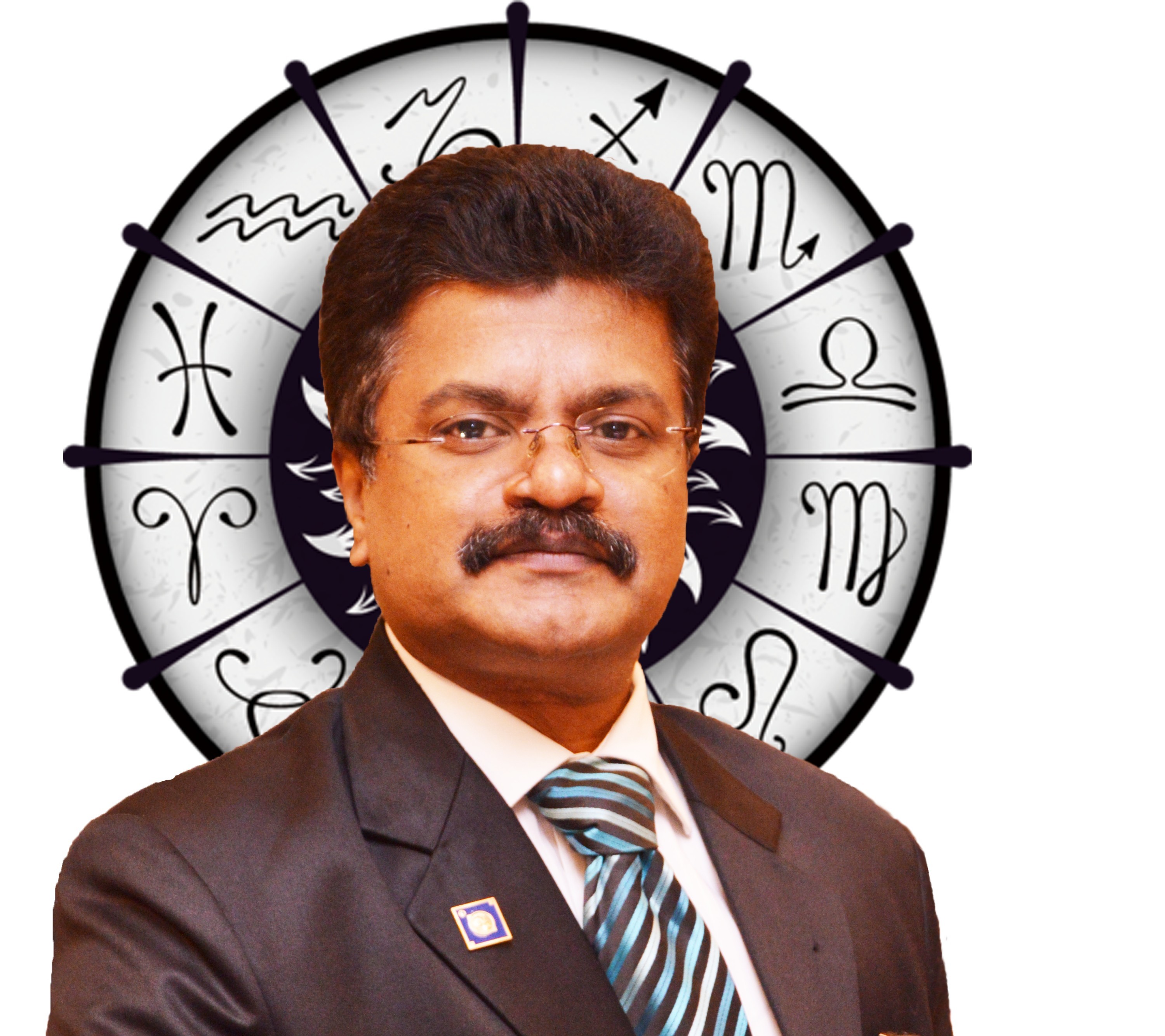
By Guruji E K Dhilip Kumar
Email : ekdhilipkumar@gmail.com
https://astrologyekdk.com/blog/putra-dosha-karmic-affliction-concerning-children read this article if you are having problems with your chidren
https://www.youtube.com/@EKDhilipKumarAstrologer click this link to go to my YouTube Channel


Discussion